
Operations
OPERATIONS & PROCEDURES
Operational Use
For O-SCP to function as intended over time, refueling, parking, servicing, washing and other activities involving spill risks must take place on the protected surface while basic operational and inspection routines are followed. The purpose is to ensure that oil, fuel and other contaminants are captured and retained within the system instead of spreading into surrounding soil, groundwater or surface water.
This page summarizes how O-SCP is intended to be used in practice, which routines are recommended during normal operation, and how inspection, spill handling and follow-up can be carried out within the product’s intended area of use.
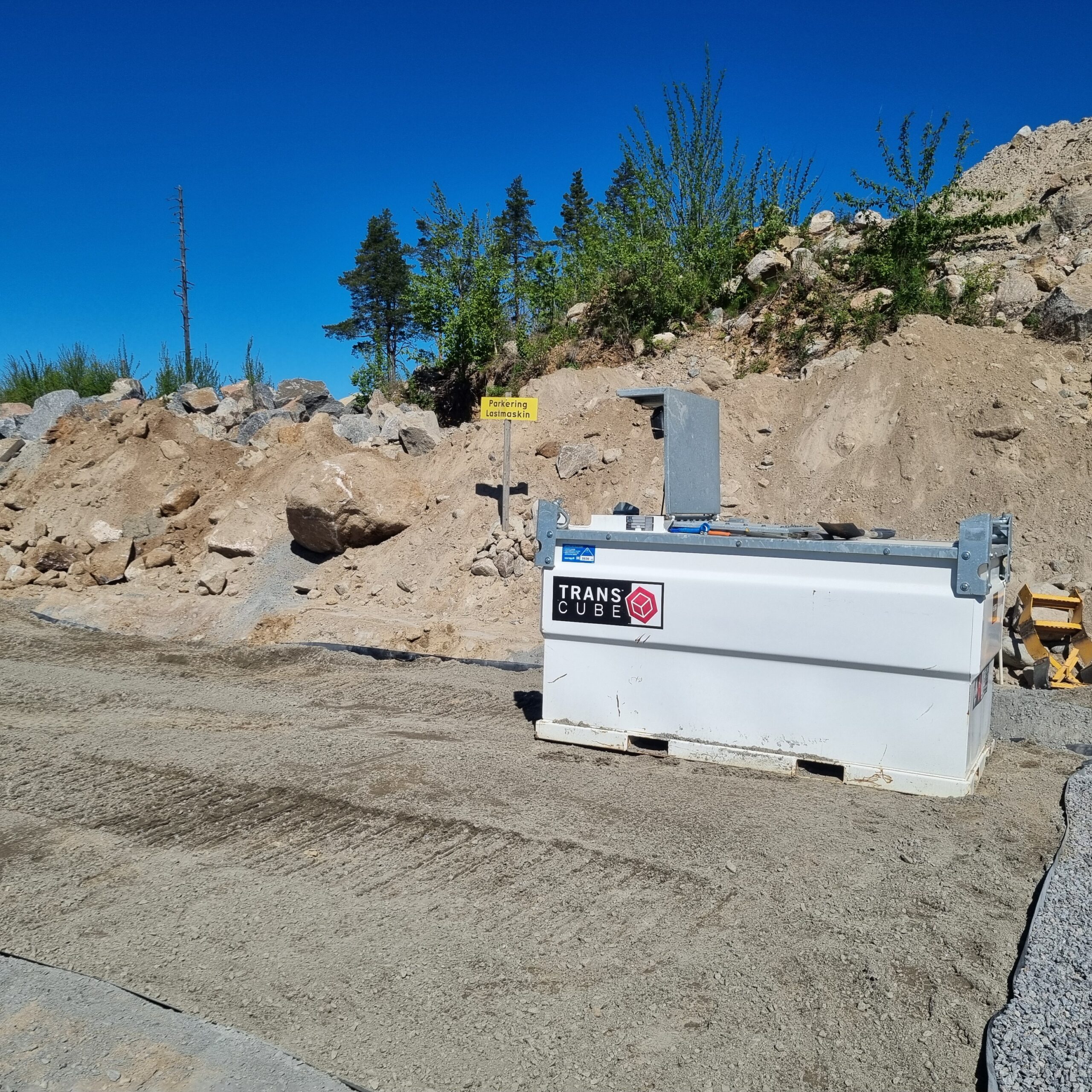
Refueling in the Field
Creates a clearly defined and protected refueling area where spills and leaks can be contained before reaching surrounding soil or water.

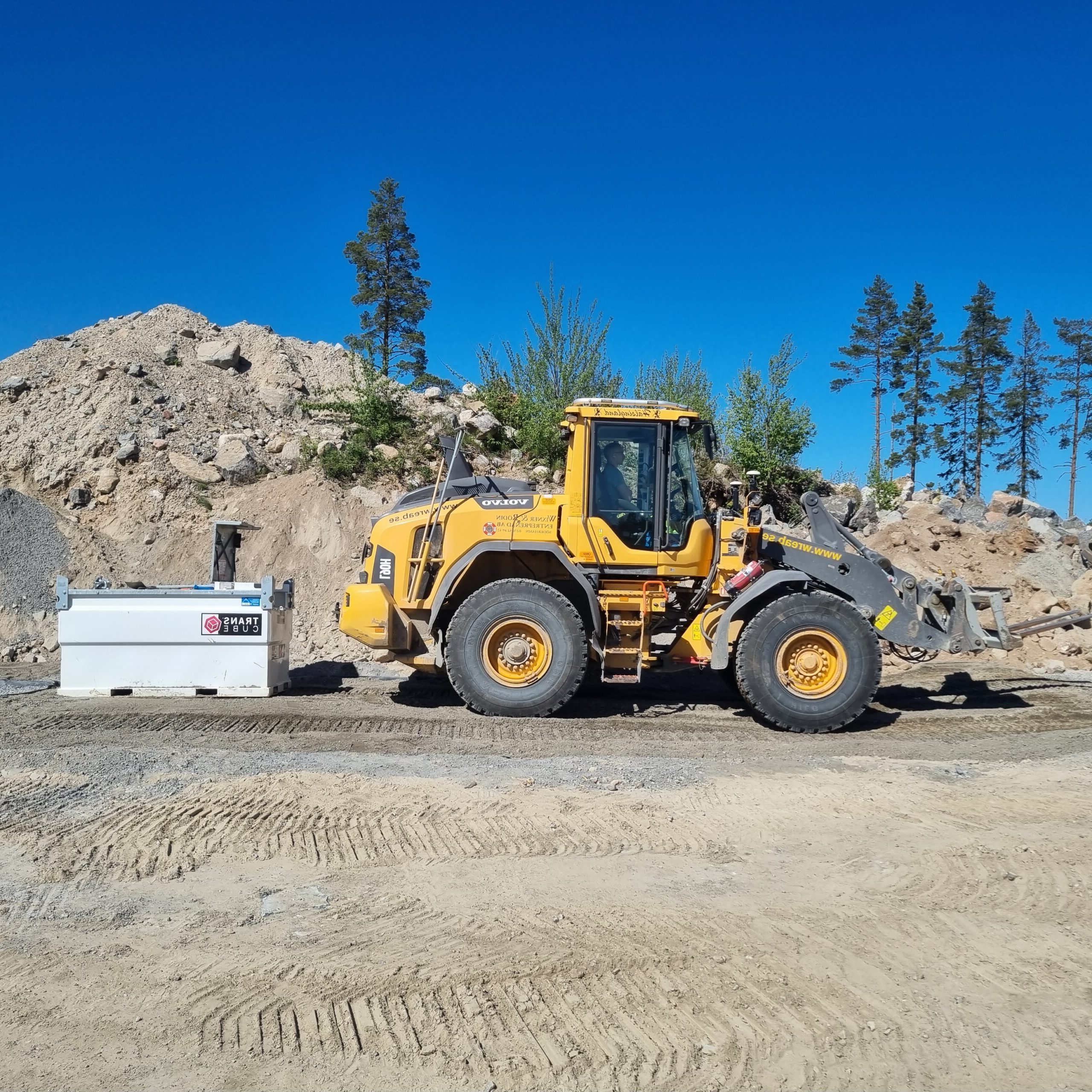
Parking of Oil-Containing Equipment
Can be used beneath parked machinery, containers and other equipment with a risk of contamination from leaks or hydraulic oil spills.
Secondary Containment Beneath Tanks and Cisterns
Provides ground-based secondary containment beneath portable tanks and fuel storage systems where significantly more permanent containment structures are impractical or unreasonable.

Temporary Worksites
Specifically developed for temporary and semi-permanent worksites where weather conditions, mobility and varying ground conditions require high flexibility.

Work in Sensitive Environments
Can be used as an additional protective measure in environments where risks to soil and water require enhanced spill prevention and containment.

Washing and Cleaning of Machinery
Can be used during machinery washing operations in the field to reduce the spread of dirt, spills and contaminated wash water into surrounding ground areas.
Daily Operation and Recommended Routines
- visually inspect the surface at the beginning and end of the workday
- inspect the system after the first major rainfall
- inspect before and after weekends or extended shutdowns
- avoid driving across the partition wall or drainage side
- restrict unauthorized access where sabotage or vandalism may be a risk
- if required, ensure spill-response materials are available nearby
Internal Inspection and Operational Documentation
- simple inspection checklist
- photographs during and after installation
- documented inspection routines
- notes regarding spills and cleanup measures
- optional level monitoring / inspection pipe

Detection and Handling of Spills
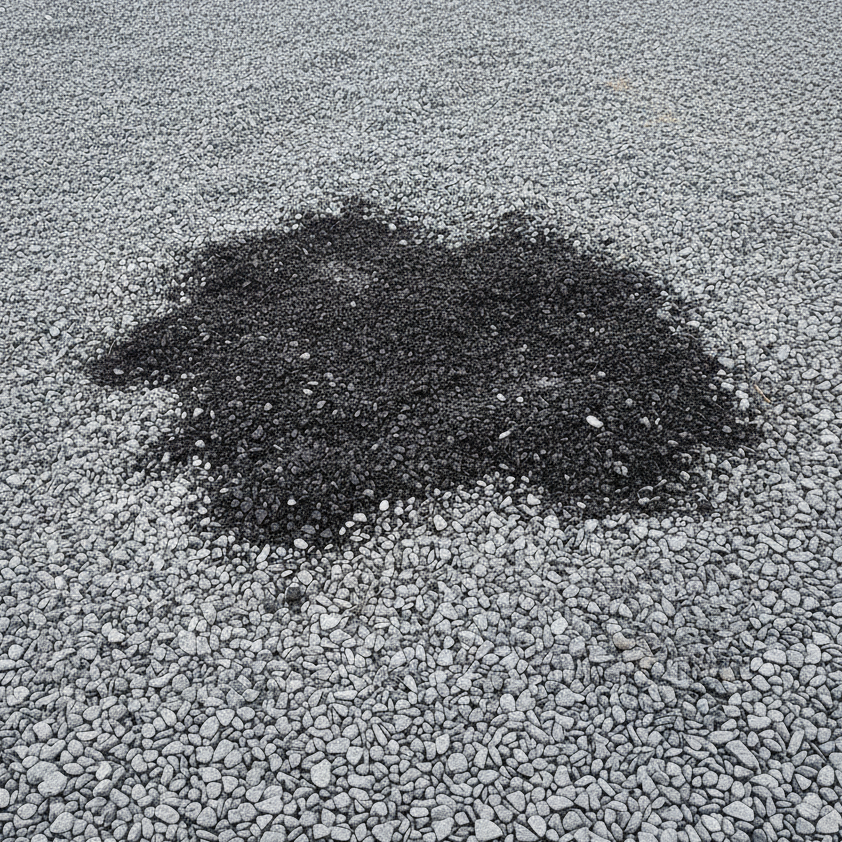
Oil and other contaminants spilled onto O-SCP are absorbed and retained within the permeable stone material, where they often create visible dark discoloration. This allows visual identification both that a spill has occurred and where on the surface it happened, even during rainfall.
The stone material also acts as a physical barrier that reduces direct exposure to wind, precipitation, wildlife and mechanical disturbance until the spill is detected and addressed. Contaminated material should be removed and replaced without delay after a spill is discovered in order to minimize residual contamination and ensure continued system functionality.
As part of normal operation, the surface should be visually inspected regularly, particularly after refueling, maintenance work, heavy rainfall or other activities associated with elevated spill risks. In sensitive environments, it may also be appropriate to document inspections, performed measures and spill events as part of the operator’s internal environmental control procedures.
Actions in the Event of a Spill
Simple response checklist:
- Stop the activity at the source
Stop refueling or handling operations if a spill is ongoing. - Isolate the area
Prevent machinery or vehicles from driving through or spreading contaminated material. - Remove contaminated material
Contaminated stone or fill material should be removed and handled according to site procedures. - Replace with clean material
Restore the surface before normal operations resume. - Document the incident
Record the date, cause, corrective actions and any required follow-up inspections.


In Sensitive Areas
When used near surface water, stormwater drains or environmentally sensitive areas, additional protective measures and more structured operational routines may be required depending on local risks and site-specific requirements. This may include more frequent visual inspections, documented inspection routines, access to spill-response equipment, clearly defined work zones and procedures for handling contaminated material after spills. In some cases, additional signage, specific refueling and servicing procedures, restricted unauthorized access or documented follow-up after rainfall and spill events may also be required.
Several supervisory authorities have also emphasized the importance of demonstrating how inspection and follow-up are carried out over time. It may therefore be appropriate to document installation, inspections and corrective measures as part of ongoing operational control procedures.

Easy to Reuse
O-SCP can be excavated, relocated and reinstalled at new worksites or under changing site conditions. This makes the solution particularly suitable for temporary and semi-permanent operations where work areas, machinery parking or refueling locations change over time. The system should always be inspected before reuse to ensure that no damage or punctures have occurred during excavation or handling that could compromise functionality.

Easy to Store and Transport
The system can be folded and stacked to simplify transport and storage between worksites. Units are designed for transport on standard Euro pallets, enabling efficient loading and unloading using trucks, trailers or other work vehicles. The system tolerates extended outdoor storage prior to installation, but several years of direct sunlight and UV exposure may gradually degrade the material over time.